How to Repair After a Big Fight: The First Twenty-Four Hours

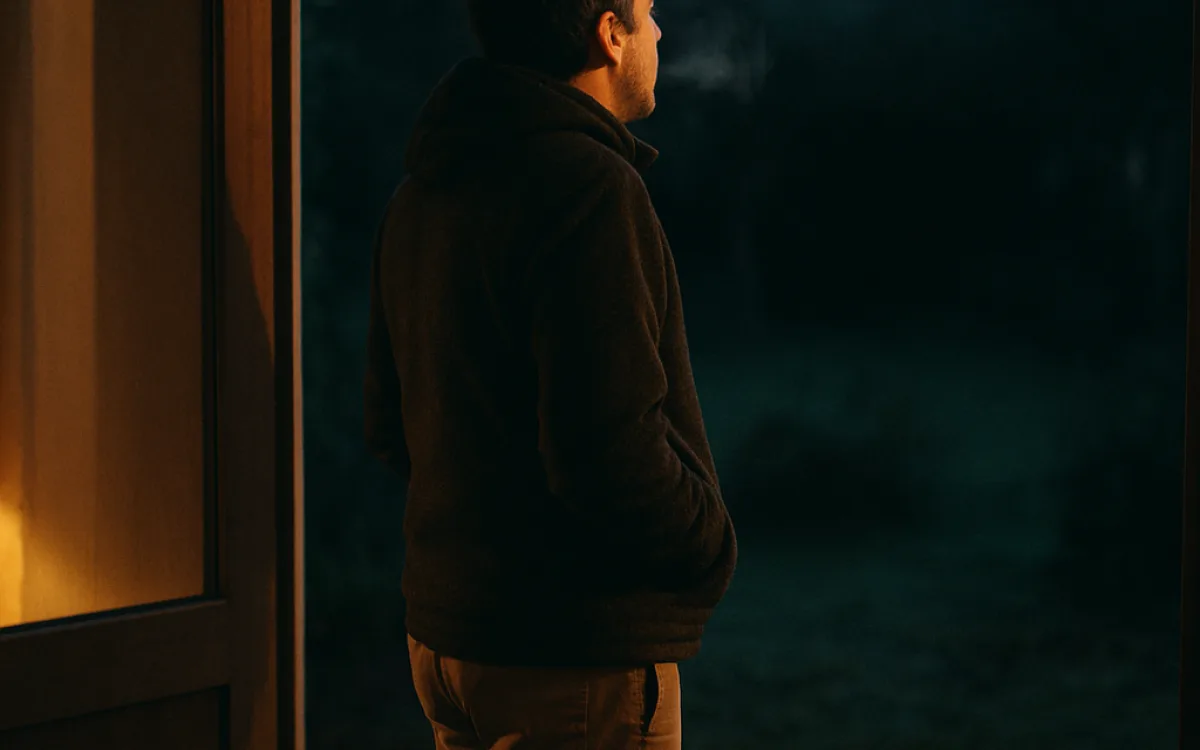
Some arguments end and everyone knows something broke. Things were said that were aimed to land, someone left the room, the house has that particular quiet in it the next morning. What happens in the following day matters more than what was said the night before, because the fight is an event and the repair is what the relationship learns from it.
The default is to say nothing and let normality creep back. That works, in the sense that the day proceeds. It also teaches both of you that ruptures are survived by silence, and it leaves the same conversation loaded for next time.
Repair is not the same as moving on#
Repair means the rupture gets described, understood and closed by both of you. Sweeping it away means the subject is avoided until it stops being urgent. They can look identical from the outside on the following Tuesday. The difference shows up months later, when the same argument arrives already carrying everything that was never processed.
A useful test: can you both say, in plain words, what happened and why it hurt? If yes, it was repaired. If the honest answer is 'we do not talk about that night', it was stored.
The first twenty-four hours, in order#
You do not have to fix everything at once. The sequence matters more than the speed.
- First hour: stop. Nobody repairs while flooded. No texts arguing the point, no last word from the doorway.
- Two to four hours: re-establish contact without content. A cup of tea put down beside them, 'I am still here', going to bed at the same time. This is a signal, not a conversation.
- Same evening or next morning: own your part before you ask for anything. Specific act, specific impact, no 'but'.
- Within the day: have the actual conversation, at a time you both agreed on, sitting down, phones away.
- Within the week: name the one change each of you is making, and say out loud what you would do differently next time.
If your partner is not ready when you are, say 'I am ready when you are' and mean the waiting part.
How to open the conversation#
Open with your own part and a request to understand theirs. That order matters: leading with what they did guarantees a second round. Try: 'I have been thinking about Thursday. I want to start with the part that was mine.' Then, when you have said it: 'Tell me what that night was like from where you were sitting.' Then listen without correcting the details. Their account will not match yours in places. Factual correction at this stage is almost always defensiveness in a tidy coat, and it restarts the fight over whose transcript is right.
Signs it was repaired, and signs it was buried#
| Marker | Repaired | Buried |
|---|---|---|
| Talking about it | You can both describe the night without heat | The subject is quietly off limits |
| The apology | Named a specific act and a specific impact | 'Sorry about last night' and a change of topic |
| Next disagreement | Starts from zero | Starts halfway up, with old material attached |
| Physical ease | Ordinary closeness comes back on its own | Politeness stands in for closeness for weeks |
| What changed | Each of you can name one concrete thing | Nothing was named, so nothing changed |
Closeness returning quickly is not proof of repair. Some couples reconcile physically and never process the rupture at all.
When repair is not the work in front of you#
Repair assumes a fight between two people who both regret it. Some things are not ruptures to be repaired but decisions to be faced — a betrayal, a pattern of contempt that has run for years, or an escalation that frightened you. If a fight involved being physically hurt, blocked from leaving, or threatened, then no repair conversation is the right next step. Fear, threats, coercive control or physical harm is not a conflict-style problem and belongs with a domestic-abuse service, not a script. Contact a domestic-abuse service or helpline in your country, and if you are in immediate danger, emergency services.
Frequently asked questions
How long should we wait before talking about it?
Long enough that both of you are physically calm, and inside about a day. Twenty minutes to a few hours suits most people for the initial calm-down; leaving it several days lets the rupture set. If you genuinely need longer, say so with a time attached: 'I cannot do this tonight, but can we sit down after work tomorrow?' An open-ended delay is indistinguishable from avoidance.
What if we always make up but nothing changes?
That is the signature of reconciliation without repair. Making up restores the mood; repair names what happened and produces one concrete change. Next time, before the subject closes, ask the two questions that do the work: what was the hardest moment of that for you, and what is one thing each of us will do differently? Write the answers down. If nothing shifts across several cycles, a couples therapist is a reasonable next step.
Do we have to talk about every argument?
No. Most disagreements are ordinary and close themselves. Deliberately repair the ones where something was said that was meant to wound, where someone left, or where either of you is still thinking about it the next day. Those three tests catch nearly everything that would otherwise be stored. The small stuff genuinely does not need a debrief, and treating every irritation as a summit is its own kind of exhausting.
how to repair after a big fightmaking up after an argumentrepair conversation coupleswhat to do after a bad fight with partnerreconnecting after a fightcouples rupture and repair